
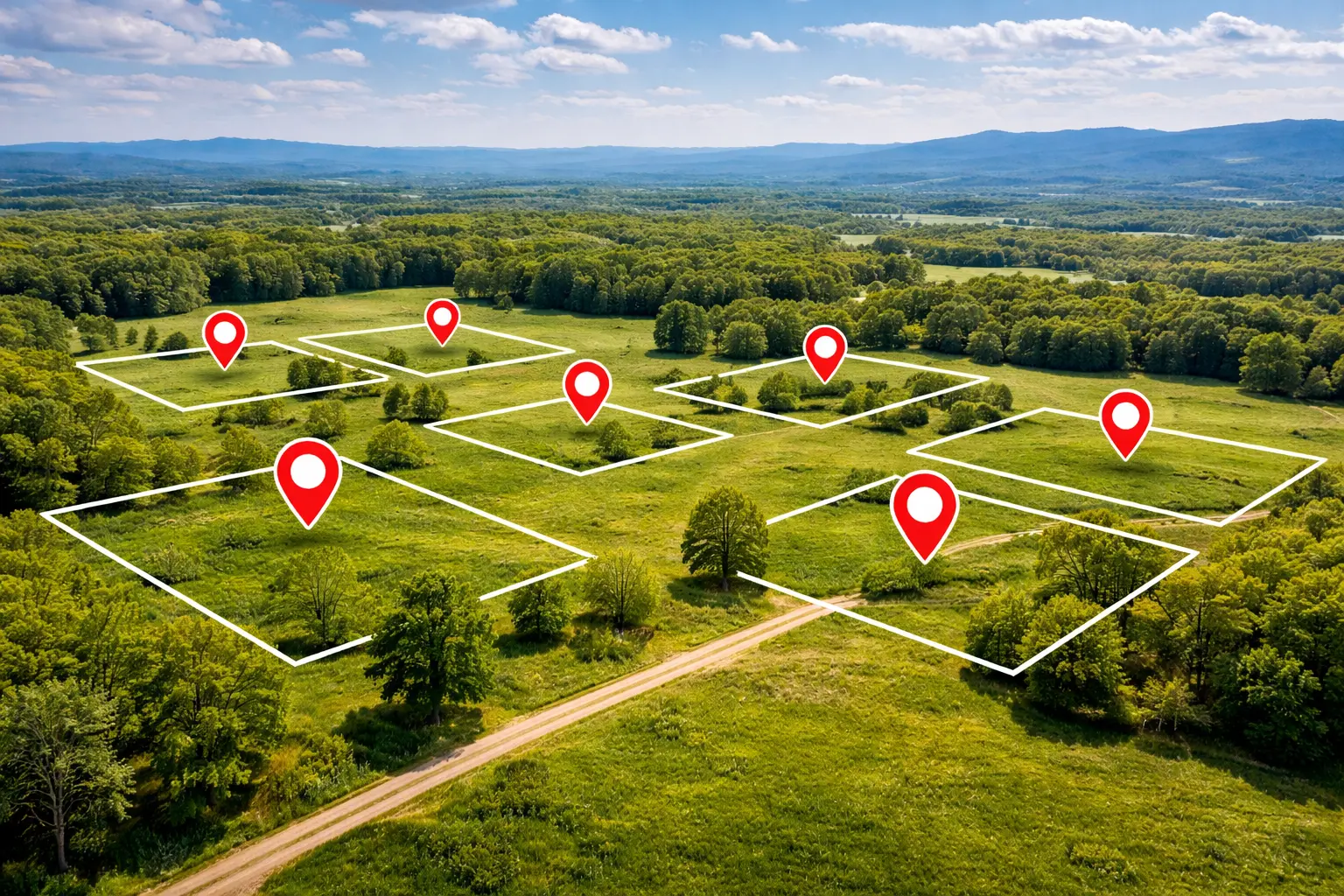
Buying land in the United States can seem complicated at first, but in reality the process is often simpler than buying a house. Once you understand a few key factors—like zoning, access, utilities, and financing—you can confidently choose a property that fits your goals.
Whether you're looking for land to build a future home, enjoy outdoor recreation, or make a long-term investment, this beginner guide will walk you through the most important steps.
Step 1: Decide How You Want to Use the Land
The first step when buying land is defining your purpose. Land can serve many different uses, and knowing your goal helps narrow down the right property. Common reasons people buy land include:
Building a future home or cabin
Creating a recreational getaway for camping or RV use
Holding land as a long-term investment
Owning a quiet space outside the city
Once you know what you want to do with the property, it becomes much easier to evaluate whether a piece of land is a good fit.
Step 2: Understand Zoning and Land Restrictions
Zoning determines what you are legally allowed to do with the property. Every county in the United States has its own zoning rules, and these rules can affect how land can be used. Some properties allow homes, mobile homes, or RV use, while others may be limited to agricultural or recreational purposes. Before purchasing land, you should confirm:
The zoning classification of the property
Whether residential structures are allowed
If mobile homes or RVs are permitted
Any HOA or POA restrictions
Minimum building size requirements
Understanding these rules early will help you avoid surprises later.
Step 3: Confirm Legal Access to the Property
A beautiful property is only useful if you can legally access it. Most properties will have either:
Direct road frontage
A recorded easement providing legal access
Legal access means you have the right to reach the property without crossing someone else's land illegally. If you're buying rural land, verifying access is one of the most important steps in the process.
Step 4: Consider Utilities and Infrastructure
Many rural land properties are considered "raw land," meaning utilities may not already be installed. This doesn't necessarily mean the property is unusable—it just means you should plan ahead. Important utilities to consider include:
Electricity availability nearby
Water options such as wells or water delivery
Septic system requirements for waste
Internet or cell service in the area
Depending on your intended use, you may not need full utilities immediately.
Step 5: Understand Your Financing Options
Many people assume land must be purchased entirely in cash, but that's not always the case. Some land sellers offer owner financing, which allows buyers to make affordable monthly payments instead of paying the full price upfront. Owner financing can be attractive because it often offers:
Lower barriers than traditional bank loans
Flexible payment terms
A simpler purchase process
This option makes land ownership accessible to more buyers.
A Simple Land Buying Checklist
Before buying land, it's helpful to review a few key factors:
Confirm zoning matches your intended use
Verify legal access to the property
Understand utility availability
Review property taxes and parcel information
Choose the financing option that fits your budget
Checking these items will help ensure you are making a well-informed purchase.
Buying land can be one of the most flexible and rewarding types of real estate ownership. Whether you're planning to build in the future, enjoy outdoor recreation, or simply hold land as a long-term asset, understanding the basics will help you make a confident decision.
If you're exploring available land opportunities, take your time, ask questions, and focus on properties that align with your goals.