
"Does this property have access?" sounds like a simple yes-or-no question. In rural land, it rarely is.
Access is one of the most misunderstood issues in land buying, and one of the most expensive to fix after the fact. We check it on every property we list. Here is what we look for and why it matters so much.
Legal Access: Your Right to Enter Your Own Property
Owning land does not automatically give you the right to cross someone else's land to get to it. Legal access is a separate thing, and it needs to be documented in the county deed records.
Look for a recorded easement that travels with the land, meaning it does not disappear when ownership changes. If access depends on a handshake agreement with a neighbor, or on an unrecorded path that has "always been used," you may be buying something you cannot reliably reach.
Also read easement language carefully. One buyer we worked with nearly purchased a hunting tract with what the seller called "deeded access," and the easement turned out to be limited to foot travel only. That is a significant difference from vehicle access, and it was not disclosed clearly upfront.
Physical Access: What "Getting There" Actually Means
Legal access and physical access are two different things. You can have a valid easement to cross a road that becomes impassable in rain, snow, or mud season.
Ask about the road surface, who maintains it, and what seasonal conditions look like. Get clear answers about whether the route requires a high-clearance vehicle, whether creek crossings flood seasonally, and whether the county maintains the last stretch.
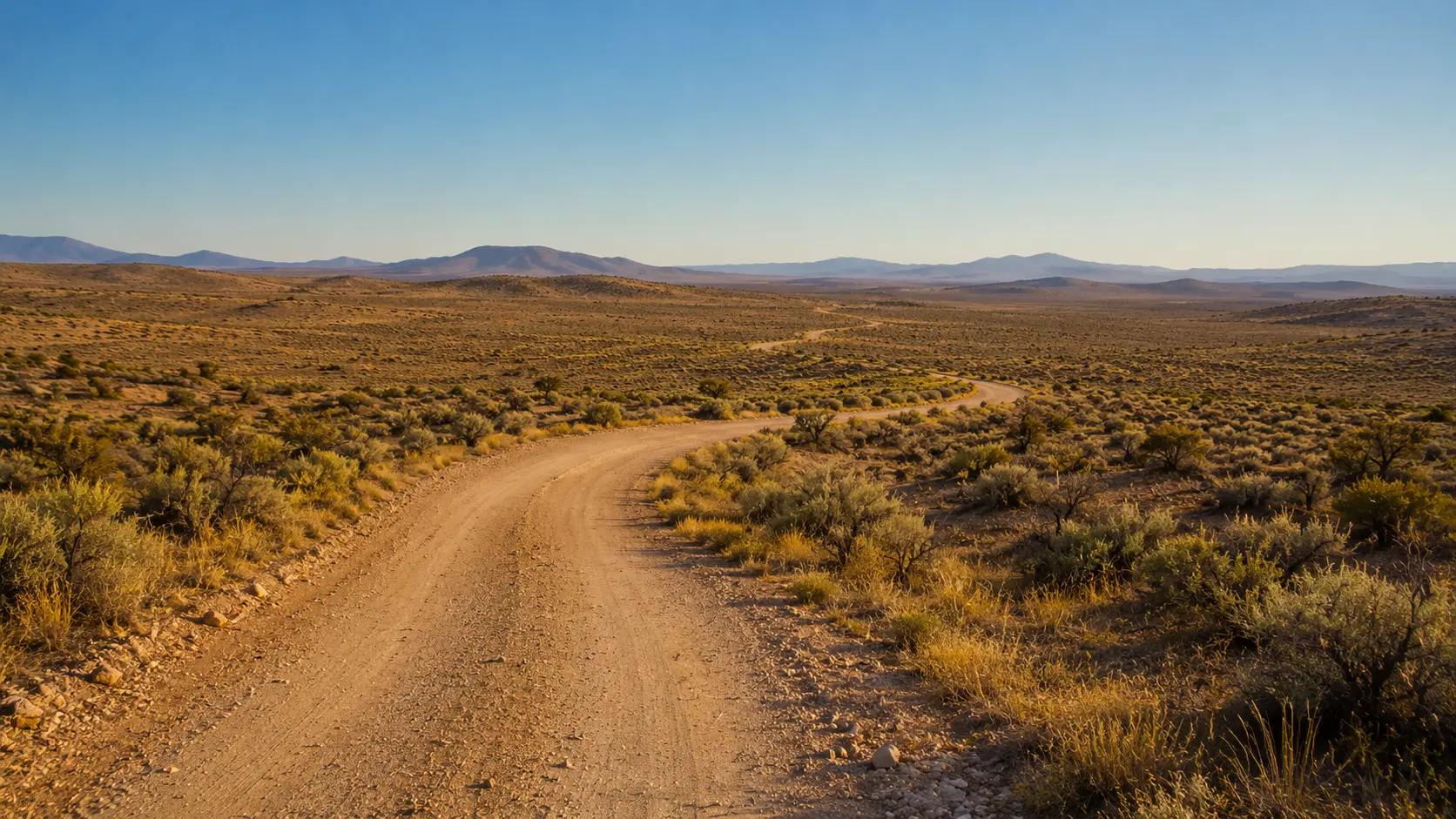
In our Arizona and Nevada markets, remote parcels often involve unpaved county roads or Bureau of Land Management routes. They are usually fine with a standard 4-wheel drive vehicle. But "usually" and "always" are very different when you are making a purchasing decision.
Controlled Access: When Someone Else Holds the Gate
Some properties are accessed through gated roads controlled by third parties, whether that is an HOA, a neighboring rancher, or a land company that manages surrounding parcels.
Controlled access is not automatically a dealbreaker. But you need to understand the terms before you close. Can you access the property any time, or are there seasonal or hour-of-day restrictions? What happens if you need emergency access? Who decides when the gate is open?
Forest Service and Bureau of Land Management roads that provide access to private parcels can also be seasonally closed for maintenance, fire mitigation, or wildlife management. If the access route crosses federal land, understand the closure schedule before you buy.
What We Check Before We List a Property
Before we list any parcel, we verify the type of access, how it is documented, seasonal road conditions, and surface quality. We include this in the listing so buyers are not discovering access details mid-transaction or after closing.
If you are looking at a parcel, ours or someone else's, and access is not clearly documented in the listing, ask before you go to contract. It is much easier to get that information now than to unwind a deal later.
For buyers interested in our Arizona, Nevada, and New Mexico markets, where access questions come up most frequently, we are happy to walk you through what we know about any specific property. Reach out before you fall in love with a parcel that turns out to have a complicated path to the front gate.
Browse our listings in Arizona, Nevada, New Mexico, and Colorado.