
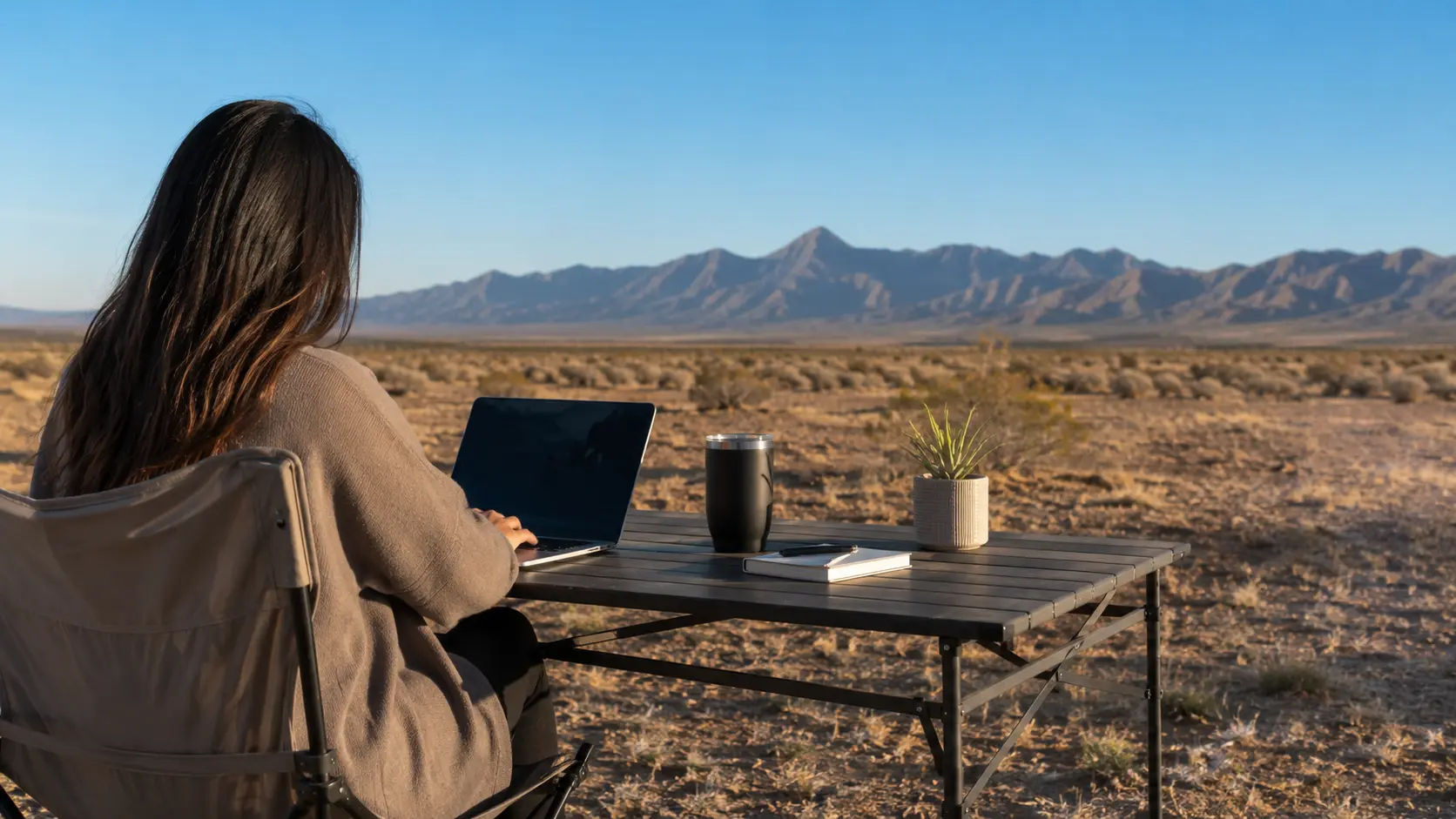
Something changed after 2020 in the land market and it has not reversed. Remote work did not go away. It stabilized. And as it did, a new type of land buyer emerged who is not looking for a weekend escape. They are looking for a place to live differently.
We are seeing this across all of our markets. The profile of a land buyer in 2026 looks different from what it looked like five years ago, and it is changing which properties move fastest.
Who This Buyer Actually Is
The traditional recreational land buyer wanted a place to hunt, camp, or get away from work for a few days a year. They did not need cell service. They did not care about internet. They just wanted somewhere quiet.
The remote-work buyer is different. They work from wherever they are, and they need that to actually function. Their priorities include reliable internet access, year-round road conditions, enough space and building flexibility for a real workspace, and reasonable proximity to at least some services.
They are not looking for the most remote property on the market. They are looking for a property that gives them the lifestyle they want while still being practical for full-time or part-time work.
What Properties These Buyers Are Looking For
The features that matter most to this group are specific.
Internet access is the top priority. Properties with fiber access or strong LTE coverage command noticeably higher prices than similar parcels without reliable connectivity. In markets where broadband is expanding, properties close to existing service areas are moving faster than comparable land further out.
Year-round road access matters in ways it did not before. If a property is seasonally inaccessible, that is a real limitation for someone who needs to be there to work. Well-maintained roads in all weather have become a genuine selling point.
Building flexibility is also on the list. The ability to install a home office structure, bring in water and septic, or eventually build a full residence is a factor many of these buyers mention upfront.
What We Are Seeing in Our Markets
In Costilla County, Colorado, we have seen increased buyer interest in internet access and year-round road maintenance. For a county that was historically popular with off-grid enthusiasts and patient investors, the questions have shifted.
In Apache County and Mohave County, Arizona, the same pattern shows up. Buyers are asking about proximity to towns with services. They want space and quiet, but they also want to know how far the nearest grocery store is and what the cell coverage looks like.
In Elko County, Nevada, where parcels are large and very affordable, buyers are asking about connectivity alongside the usual questions about terrain and access.
What This Means If You Are Thinking About Buying
If you are a remote worker considering land, the questions to ask are different from what a traditional buyer would ask. Focus on internet access first, then year-round road conditions, then what the county actually permits you to build.
If you are buying land as an investment, properties with connectivity or within reach of expanding internet infrastructure are worth paying attention to. That is where demand is moving and where values have been responding.
The buyers coming into the land market right now have real purchasing power and specific requirements. Land that meets those requirements is in a different category than it was five years ago.
Browse our listings across Colorado, Arizona, Nevada, and New Mexico. Many of our properties are well-suited to remote workers and buyers looking for space, privacy, and a genuinely different lifestyle.